Connecting with Kids through Stories – Using Narratives to Facilitate Attachment in Adopted Children – Denise B. Lacher, Todd Nichols and Joanne C. May
This clear and helpful book outlines how parents and therapists can use story to change the inner working model of children who have experienced trauma.
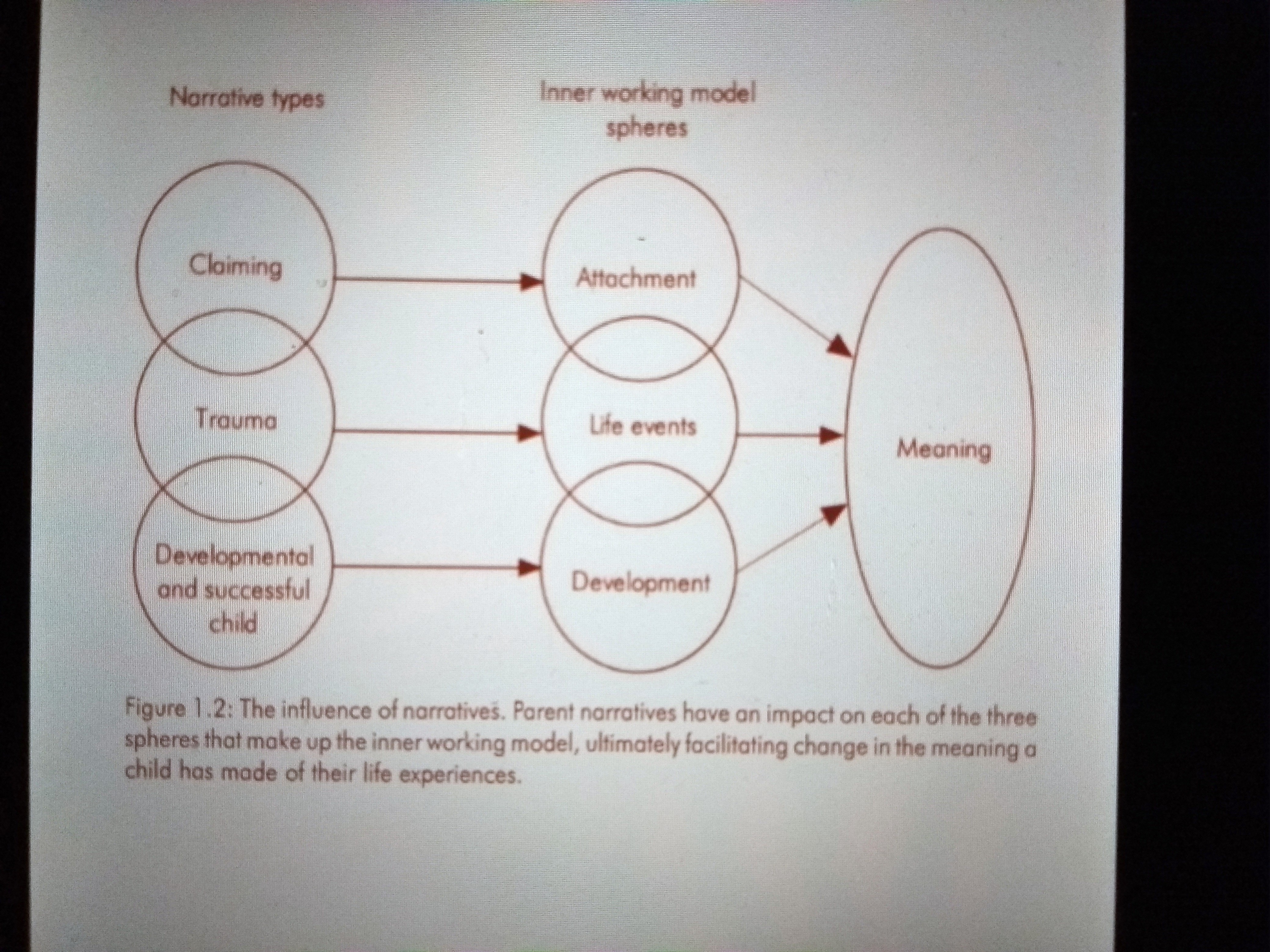
“The child’s experiences of attachment relationships, life events, course of development, and core beliefs are collectively referred to in this book as the inner working model.”
The book covers three different types of narratives: Claiming; Trauma and Developmental and Successful Child which work together to help our children shift the meaning they have attached to their experiences.
“Children deprived of a nurturing, attuned relationship early in life with a caregiver tend not only to construct a chaotic life narrative but also form mistaken, destructive conclusions about personal value and the meaning of experiences. Fortunately, children also possess the ability to embrace an alternative or the deserved ideal, and construct new narratives. The key to constructing adaptive life narratives is discovering the child’s inner working model.”
“Once a hypothesis is formed, narratives are constructed that target the negative and erroneus conclusions formed in early childhood. New beliefs develop that can change the child’s inner working model.”
The book is user friendly and clearly laid out – each chapter has a helpful summary (from which both the above quotes were taken) and lots of examples and case studies – one of which flows through the course of the book and therefore goes into more detail. It is more practical and less theoretical than some of the other books I have reviewed as it is outlining a therapeutic method and it does so in such a way that gave me the confidence to have a go.
The Primal Wound – Understanding the adopted child – Nancy Newton Verrier
Nancy Newton Verrier writes as both a psychotherapist and a mother – first to an adopted daughter and then to a birth daughter. It is a very important book to read to start to gain an understanding of the deep trauma experienced by an infant in being separated from the woman in whose womb he or she developed. When we think of trauma experienced by adopted children it is all too easy to concentrate on experiences since birth. In doing so we, all be it unwittingly, deny/minimise the impact of the experiences in the womb – in particular the emotional ones. From the very earliest days of development babies are forming relationships – primarily with their mother, but also with all those who frequent and influence their mother’s life. Without acknowledging the trauma of loss – universally experienced by each and every adopted child- even (or perhaps especially) a baby removed from its mother at birth – it is impossible to empathise with the pain our children are going through and therefore to draw alongside them in it. Primal Wound really helps to keep the reality of the adoption triad as an active element of our adoptive parenting. Our adopted children have birth mothers and in order to love them and care for them we must seek to understand this dynamic in their lives and allow it to be a dynamic in our lives and in our relationship with them. Not an easy task by any stretch of the imagination – as Nancy Verrier explores. She recognises the complications of comforting a child we want nothing other than wonderful things for, but who is crying not only in response to/as a result of a past physical or emotional experience they have suffered, but also for the loss of the mother who was perhaps influential in them experiencing it. All in all a vital read – underpinned “with information about pre- and perinatal psychology, attachment, bonding, and the effects of loss”.
Building Underdeveloped Sensorimotor Systems – Training from Sarah Lloyd.
Sarah began developing the BUSS model having noticed certain similarities between traumatised children who were being referred to her and for whom ‘normal’ therapies just weren’t working. Looking for the common factors in these children she noticed a lack of bodily integration – that they hadn’t got a concept of their own bodies in space.
You and I probably take it for granted that we can stop for a moment and become aware of how fast our heart is beating or how comfortable we feel with the temperature in the room. The children Sarah was working with had no sense of that – to such an extent that it showed in the pictures they drew of themselves.
But the issue here wasn’t that these children had broken systems which needed to be managed, but rather that they were underdeveloped systems that needed to be set in motion – like an intricate arrangement of dominoes all set up in an amazing pattern remaining upright because the first domino had never been knocked over. In this case by the right early care.
The therapy needed, therefore, is therapy to set those dominoes falling – and the great news is that because the system isn’t broken this can be done very effectively and with relatively swift results.
It was amazing to look into the way that good enough parenting develops a child’s awareness of their body and movement – from the vital movement that happens in the womb (movement which is reduced by drugs, alcohol and high stress) to the rhythms within time just spent gazing at Mum – reaching out to Mum’s face, legs kicking and maybe then going still as they get a bit overwhelmed by a loud noise or a raspberry being blown on their tummy, and then relaxing into movement again as their attuned parent calms them with a soothing voice. I had never thought before about any sort of link between good relationship, developing movement and a sense of ones own body. Without a present, interested, safe care giver babies will remain largely still – their only option out of the fight, flight or freeze trio. Even for a child removed at birth into a caring foster home there may have been restricted movement in utero; followed by time in special care; followed by a life full of meetings and contact arrangements etc – all of which are not conducive to normal bonding, attunement and developing at the baby’s pace.
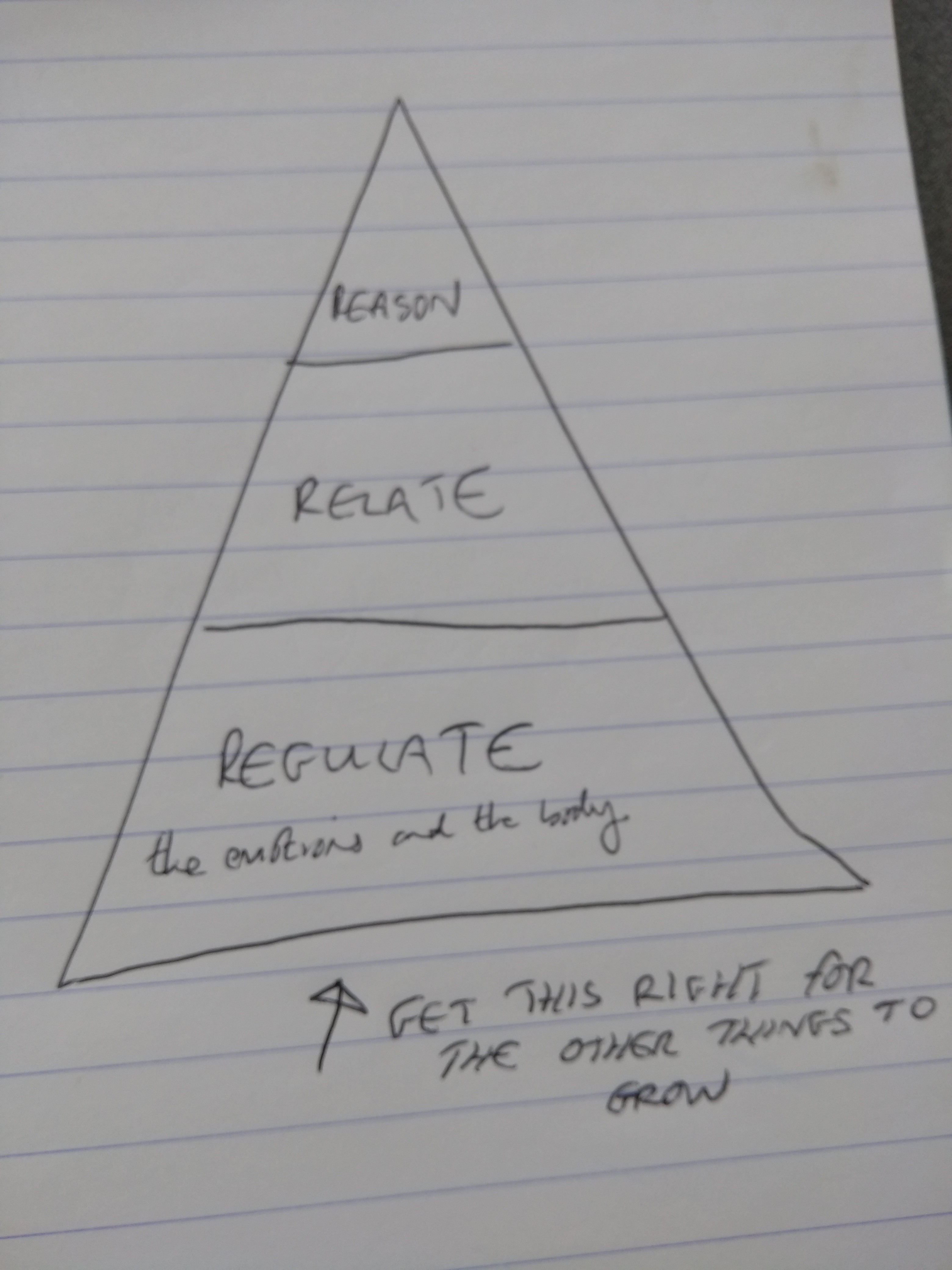
In normal development, during the first year of a child’s life the process of growing into yourself on a bodily level is pretty all consuming – with language etc. taking a back seat at this stage. Getting this regulation base well developed is foundational to everything else that follows.
This means that looking at a child’s movement and how they hold themselves give some really good clues as to what was lacking when those early building blocks should have been getting put into place. How our children stand, sit, hold cutlery, come down stairs, eat can have important stories to tell. Stories that need to be listened to before jumping into addressing the wrong problem with the wrong type of therapy. For example, by taking a look at these bodily clues a child referred for anger management was able to build up his regulation rather than be bombarded with therapies to do with reason and relating.
For anyone who has suffered sustained trauma being present in the moment (particularly moments that trigger memories of the trauma) is really hard. All their senses are trained to one thing – threat. They are stuck in a very basic loop and everything else is shut down / blocked out. At the point of trauma it is of course really useful to be able to shut down all but the most necessary systems – however after this, for normal life to go on, for good development and relationship building etc it is just as important to be able to re-access these systems. To experience, be fully ‘in’ the whole of the moment they are actually in now with all their senses, and their whole bodies. As Sarah says: “The limbic system is key! If children are functioning in a flight or fight mode they are not going to be absorbing new experiences in a way that allows them to store them so they can have access to them when they are under stress.” See The Brain – Limbic Systems below.
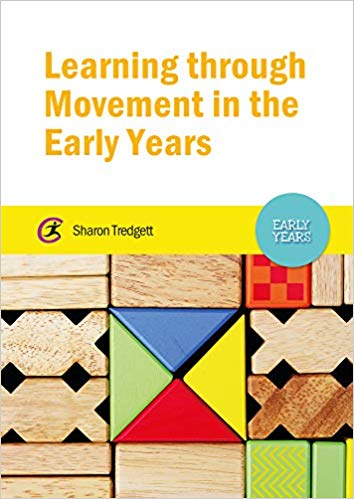
by Sharon Tredgett – recommended by Sarah Lloyd
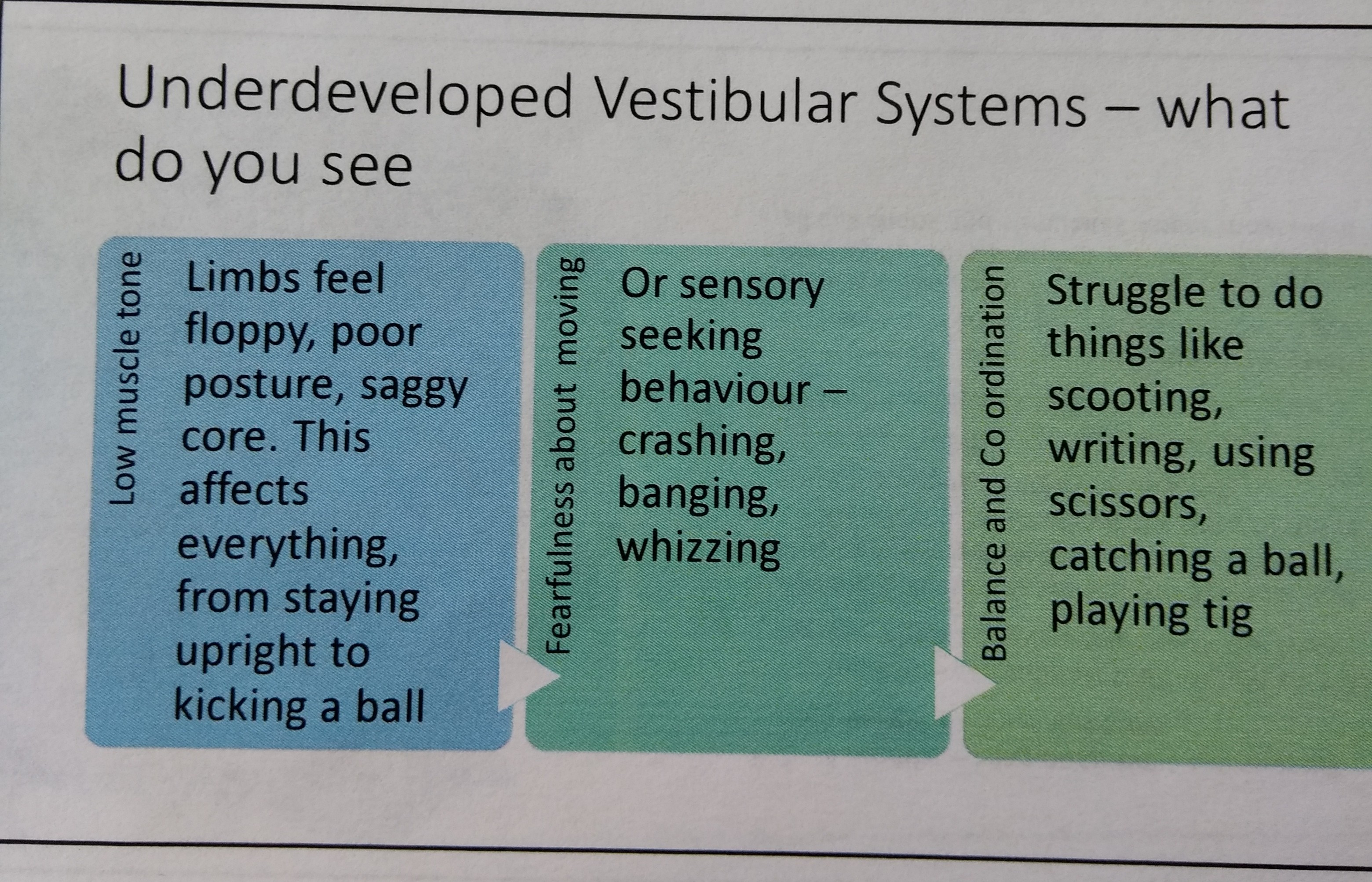
The Vestibular System: This system is like the stable base of a crane. it is not our though – but our head neck, shoulder girdle, and trunk. Well developed it gives us Gravitational Security (feeling sure of where we are compared to the ground) and Core Stability. The more movement experiences the body has from head to foot the better.
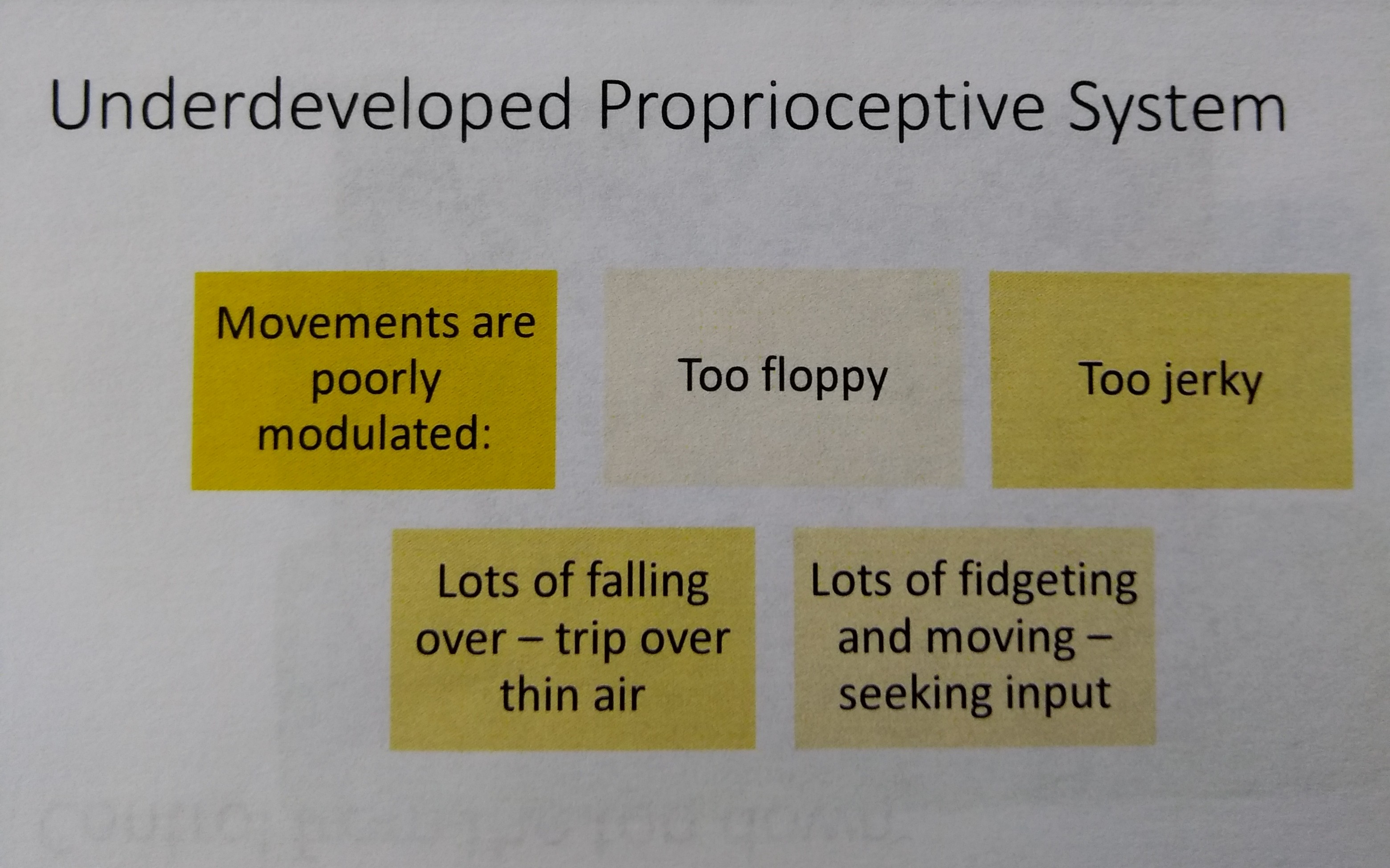
The Proprioceptive System: This system is the arm of the crane. It is to do with sensations and feedback from within the body – messages travelling from the muscles to the brain and back to ascertain how much pressure, force etc. to use. Working well there is good integration between the left and right sides, upper body and lower body…
If those technical terms are a bit much for you the good news is that it works its way out in practice in very simple ways. For example in the wonders of tummy time and crawling which between themselves just tick so many boxes. Tummy time (as opposed to cross legged circle time) doesn’t rely on, but helps build core strength. Gives you lots of feedback as to where you are in space. Crawling: as they uncurl their fists and get all sorts of feedback from the ground, as they get left and right side integrated in motion… While the children coming to see Sarah had learnt to walk and sit and come down stairs it was really important to go back to those missing building blocks of early tummy time and crawling without which their vestibular and proprioceptive systems have not had a chance to properly develop.
Tactile systems: This system is all about messages from outside the body. (Recommendation: David Linden TED talk) At birth our tactile systems are all about survival. There are loads of receptors at work with the sole job of of protecting and helping baby survive. If the baby then receives plenty of experiences where they face a need and it is met and explained and worked through with a caring adult the survival receptors recede allowing a discriminating, exploratory function to develop. Without that sense of safety and that repeated pattern of need / fear and then reward those receptors will only ever stay in protective mode – making it very hard to face all the new tastes and sensations the world throws at us all the time.
There is a need to re-calibrate the limbic system by “working on the protective arm of the tactile system – building associations between ‘mouthly activities’ and pleasure…”
Tactile therapy is the best place to start as it is a great way to get children out of the basic survival loop and into the details of the moment right now. It can be lots of fun and easily adapted to be do-able. It can be used in initial sessions to establish a base line of where things are and then to see progress.
Ideas for activities to develop these various systems Vestibular and Proprioceptive: Commando crawling, stepping stones, tight rope along the floor; use of exercise balls as watching telly. Tactile: taste tests – do these two crisps taste the same or different? If that is too hard – which of these is a banana and which is a carrot? If not ready to discriminate may need to grow oral strength – blowing various size balls with a straw. Bubbles in a glass. Sucking up yogurt through a straw. Use of feely bags, writing on backs with your finger, or massaging hands with a roller ball…
Helpful Hint: Activities that stimulate the proprioceptive system are CALMING: carrying something heavy, pushing something big, press ups, wall squats, lying on their tummies, sucking something thick through a straw….
Attachment Workshop – Alison Burgess and Jennifer Cooper
We had a great day yesterday (July 2019!) at the above workshop – the only negative was that there simply wasn’t time to fit everything in. Helpfully we were sent lots of reading to do beforehand, so even though we didn’t address, for example, Resilience as much as Alison and Jennifer would have like to, we do have the information to work through. In terms of attendees – there was a good mix of professionals, prospective adopters (both approved and still in the assessment stage) and ‘active’ adopters bringing specific issues with them.
The Attachment Workshop built on some of the basic foundations given in the earlier / Assessment Stage training days and served to bring together several strands in a way that was helpfully consolidating for me as a prospective adopter. Words and themes such as attunement, modulation, the importance of names and special objects, PACE Therapeutic Parenting, inner working models etc. were all helpfully revisited and further developed into an ever clearer more integrated picture.
In addition to revisiting and building on some familiar ideas – a couple of newer concepts also came up for me: Affect and NVR and Coherant Life Narrative…..
Affect: What we experience emotionally has an effect on us which we as the caregivers need to be aware of and manage. It will affect our physical feelings, our psychological feelings and our facial expressions. When we are less successful at managing affect it is also a chance to admit this to our children and model regulation – to name the emotions we were feeling and if necessary to apologise for the way it then effected them.
NVR: Non-Violent Resistance. This is not simply refraining from physical discipline, but rather it invites us to completely re-position ourselves in relation to our response to unwelcome behaviour. Quoting from the following link: “Within a family setting Non Violent Resistance focuses on developing strong relationships between the parent(s) and child. It does not try to change the child through consequences or rewards, but uses ‘parental presence’ as an alternative.” https://sarahpfisher.com/what-is-non-violent-resistance. See also my Book Review on Connective Parenting by Sarah Fisher – post date 25th September 2019.
Coherent Life Narrative: This tied into my reading in Connecting with Kids through Stories – see Book Review post date 20th September 2019. But whereas the emphasis there was on the therapeutic use of stories in shifting inner working models, here it was more about being totally committed to helping your child develop as coherent a picture of their whole lives as possible. Having a coherent life narrative is a massive factor in resilience – the ability to bounce forward from adversity. And so we need to work hard to enable our children to have a narrative that answers questions truthfully and in a way they can understand. Questions about who they are and what happened to them and for that story to be open and accessible and valued. Not open for all and sundry to flick through like a coffee table book, but not hidden away on a top shelf somewhere in hope they will forget it either. Keeping and sharing the stories behind our children’s names are an important chapter in this story.
Different Types of Attachment: We looked at (and the reading we were sent covered) the various types of attachment which will soon start to become familiar terms to you – even if differentiating between the finer distinctions remains a bit of a mystery! Basically 95% of children experience healthy attachment – whether securely (60%) or insecurely – ambivalent or avoidant (35%). The remaining 5% are classed as having RAD – Reactive Attachment Disorder. For those suffering from RAD feeling in control is paramount as the only person they can trust is themselves. This means that it feels safer to reject and sabotage safe / loving / positive parenting (such as being praised) than to receive it and feel out of control.
Building Blocks: Good attachment is built with a series of building blocks. If these have been disrupted early on the whole structure will struggle. The neural pathways and connections associated with secure attachment may not have developed and in their place negative pathways will have sprung up and life becomes a minefield of false threat triggers. Within the safety of a secure attachment babies soon start to move beyond their basic protective reaction to the unknown and startling. A secure attachment gives us the space to learn to receive and sift through the multitude of noises, smells, textures, sights etc. that constantly bombard us and ‘dismiss’ them as non-threatening without even registering that we are doing it. Where attachment has been disrupted that sifting process has not had the chance to develop and the instinct to protect remains dominant leaving little room for exploration and stifling the brain’s ability to file things under S for SAFE.
The good news is that new pathways can be forged – but….. it takes a lot of repetition and time!
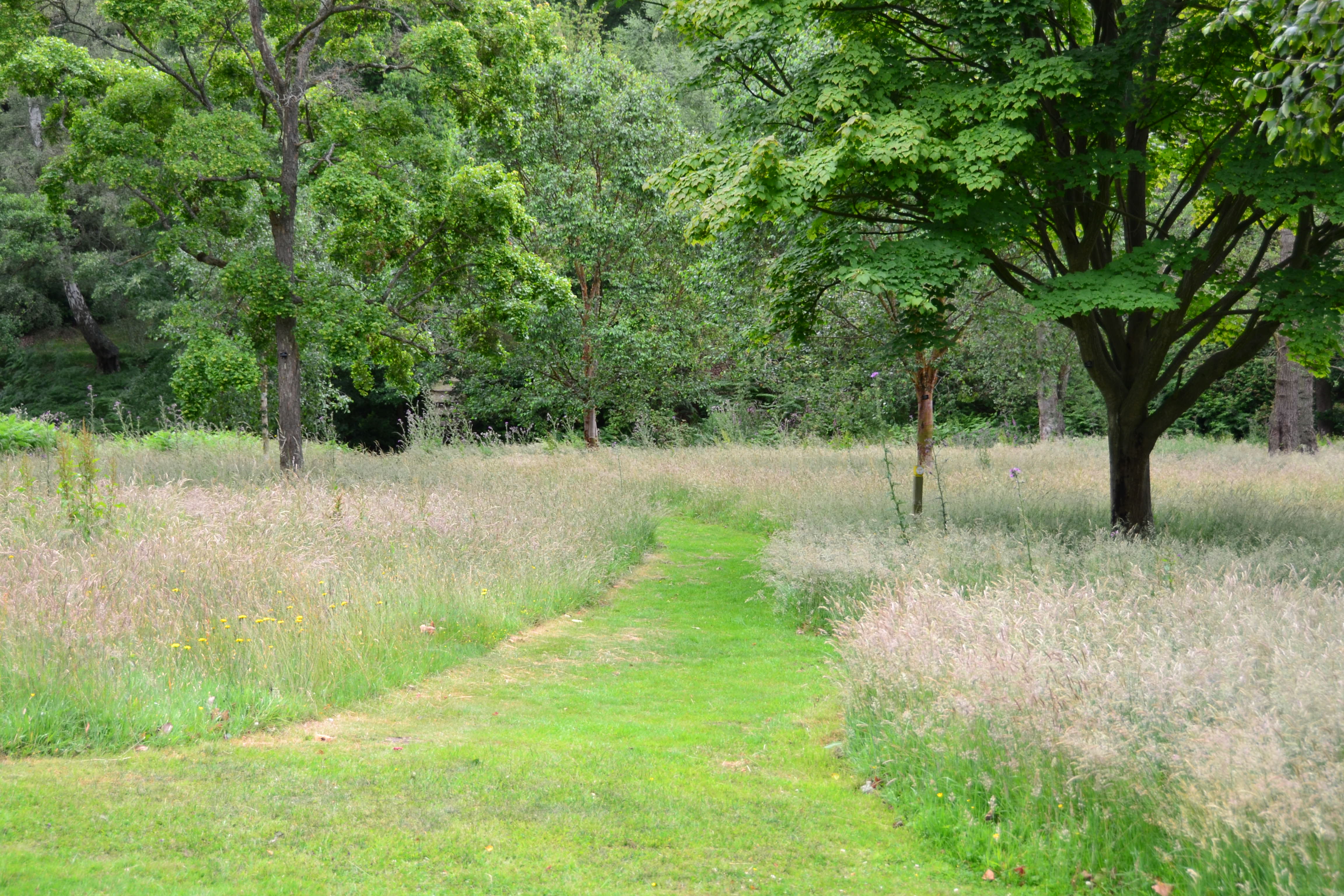
Imagine an overgrown field with a well worn path through it. Well worn because you have travelled it every day of your life – again and again.
Now imagine that it turns out to be the wrong path! You can’t just reverse the situation overnight. New ‘paths’ need to be travelled again and again to open them up and the old ones left neglected and disused. Easier said than done – it’s hard going making new paths and it feels very ‘unnatural’. Those old pathways have a massive ‘home advantage’ and helping our child to re-train their auto pilot is a long term undertaking.
But just knowing about this dynamic can transform our parenting right now. It teaches us to look under whatever behaviour has grabbed our attention (the tip of the iceberg) and identify if our child is experiencing a fight or flight or freeze reaction and if so what triggered* it. We are then going to parent them appropriately – looking after our frightened child rather than disciplining our naughty child. We can name the feelings they are experiencing and help them to self-regulate – all the while treading those new pathways together.
*Where attachment has been disrupted there will be lots of false triggers that turn a seemingly non-threatening thing into something terrifying.
Some parenting styles to avoid: The Kangaroo – over protective / The Jellyfish – tired, touchy and hypersensitive / The Ostrich – head in the sand / The Rhino – charges in and others to aim for…. The St Bernard – there with sustenance, a solid presence / The Dolphin – who depending on the circumstances dolphins will swim ahead of, beside or behind their young.
A couple more recommendations to chase up: Dr Hazel Harrison – Upstairs and Downstairs Brains / Holly Van Gulden – using the language of ‘PARTS‘ / Treating Traumatic Stress in Children and Adolescents / ACEs training – Nigel Holme
We had our first ‘solo’ meeting with our new social worker who very kindly moved it forward in response to a wobbly email I had sent with various worries. This was also a chance for her to meet our children. While the news was still ‘no news’ it was a good chance to develop our relationship with her as we talked through my worries.
Year 2
The beginning of the month saw me attending an excellent training day on Attachment – for more on this do take a look the post I wrote following it.
The end of the month saw the second of our monthly ‘touching base’ meetings with our support worker – with the third one in the diary for September.
Year 2
So off we went on holiday. Just the five of us.
It was a holiday we had deliberated over booking back in November/ December as Stage 1 ended and we waited for Stage 2 to get underway. At that point it was neither completely fantastical to suppose that we might have gone through panel and have our precious new family member placed with us by the following summer, nor was it unrealistic to imagine that even if all went smoothly with approval we would still be waiting for a match. We decided to book and adapt / cancel as necessary and I am so glad we did. It was really good to get away and while I kept a close eye on my messages and adoption was a big topic of conversation (we were on holiday with two other families) I felt I had a few weeks off from the intensity of waiting and was able to focus on enjoying the now, while anticipating the different dynamics a new little one would bring when we returned in two years’ time (it is a regular destination for us!)
Year 2
I was so thankful that we had a meeting with our support worker in the diary for early September. As you’ll see from my reflections below, there was quite a lot of emotion swirling around as we started a new school year ‘still waiting’ and it was reassuring that there wasn’t a completely blank page ahead of us.
It was a really encouraging meeting – that sense of being at ease with each other which can develop quite quickly with your assessing social worker was much more obvious on this our 4th meeting together, and there seemed to be a greater sense of movement and expectation in terms of finding a match and a hint of what it would feel like to work together through that stage and on into the adoption itself.
But whilst I am hopeful and excited about what the next couple of months may bring, in the meantime I find myself experiencing a new kind of waiting.
A new season OF waiting
Re-entering ‘real’ life as the season changed and a new term began was quite hard.
To be fair this time of year always requires a bit of readjustment, but I realise now that this year it has involved an added dynamic – the beginning of a new chapter in our adoption story. It has not been an obvious scene change and although I sensed it approaching it has taken me a while to properly identify it. After all, nothing about our status has changed – ‘approved and waiting’ still sums us up nicely. What was so different now? Then it hit me – it is the status of the space in which we are waiting that has shifted.
Let me try to explain…
For the first time I am existing in a season that has never been anticipated without the strong possibility of us being a family of six.
Anticipation, of course, has been a close companion throughout this journey – indeed from the moment we started this process 18 months ago our hope to adopt has influenced the way we have looked ahead. But it is a gradual process and one that doesn’t start with a blank calendar! Instead those precious hopes and plans have been woven into an existing pattern of family life.
Increasingly plans were made with a foot firmly in each camp – ‘with or without’ our new little one. Except it was really ‘without or with’ – because we were still grafting the adoption into an existing pattern; into situations and seasons that were quite capable of standing on their own two feet as ‘without’ scenarios. Conversations looking ahead generally went something like this: “well it probably won’t have happened by then, but if…..then we’ll…..”
And so when the summer holidays hit and it was clear we wouldn’t need those contingency plans, whilst we were disappointed, we were not bereft – we had a clear handle on this version of our time away. In fact as we packed to go away it was relatively easy to temper the disappointment / impatience / worry of ‘no news’ with the obvious practical benefits of a post-summer match and the comforting reality that August isn’t exactly a month that drags its feet.
And indeed it didn’t and here I find myself half way through a September that has never really had an existence separate from our plans to adopt. Whereas plans for the preceding Spring and Summer had been made with hopeful contingency plans for a new arrival; I realise the picture I have been building up of Autumn and Christmas this year has increasingly had a sixth member of the family more present than not. It is a picture still very much covered in lots of ifs, buts and whens of course – but the contingency plans now are more to do with us not having a little one rather than the other way around. If April through to August 2019 was a season of ‘it’s possible, but’, on returning from holiday we had crossed over a mental line into a season of ‘quite possibly’.
I hope that doesn’t sound presumptuous. I certainly don’t feel presumptuous – if anything I feel a bit fearful that after all I’m kidding myself that this could happen…. it is just that as the year rolls on; as the coming months take shape in my mind, my diary and my conversations I sense the absence of our little one more keenly. I have simply left more room for our new arrival in the months that lie ahead than I have done previously.
Up until now this season of ‘probably’ has hidden quietly beyond the peak of the summer months – known simply and vaguely as ‘after the summer’. Now it stretches ahead in plain sight. The days grow shorter and the trees are starting to change. Stealthily, little by little, the shops are smuggling Christmas onto their shelves, and early feelers are being sent out by family members about plans for the festive season.
It is as though a new chunk of time has now ‘gone live’ – a chunk of time that has always held the very real possibility of introducing us to the newest member of our family.
This time last year we were about to set off along a clearly laid out route – and while the inevitable ‘traffic jams’ cropped up there was a sense of knowing where you were.
As this new season unfolds, that part of the journey lies behind us now and we wait in the knowledge that a new one could be just round the corner.
It is 12 months since we started this journey on our half-term holiday last year. It is an annual holiday and so a natural place to reflect back on the last year. While some ‘legs’ of the adoption journey are pretty standardised, no two journeys will be the same – so while this account may give you a feel for the different stages, please don’t see it as a timetable that your journey will follow.
YEAR 1
On a family holiday our daughter shared that she had been thinking that maybe we could foster. This coincided with my husband and I reading a book about hospitality and an amazing improvement in the depression I suffer from. And so we opened the door into a place called adoption and found we wanted to walk further in for a better look around.
YEAR 1
Spotting a little one toddle past me as I sat in a coffee shop I did a quick google search for foster to adopt. An acquaintance of mine had been through that process a few years previously and I had filed it away! This took me to a fostering site. I my husband to check we were on the same page with taking the next step – registering interest and as we were I did just that. The site I initially got in touch with redirected me to Cumbria County Council and to their adoption site. More interest was registered and after an initial phone call a visit was arranged – and our first social worker came to see my husband and I home on June 21st. Pre-Stage 1 was underway!
Following this visit we introduced the idea to our two younger children using some hastily put together leaflets to give them the chance to respond individually.
We let the idea sink in and float around for a few days until waiting for them to initiate any further conversation. This came in the form of our middle child asking – “so when do we get to meet the social worker?” – and so we got in touch to invite her to come and meet the children.
YEAR 1
Wed 11th July – Our initial social worker met our children.
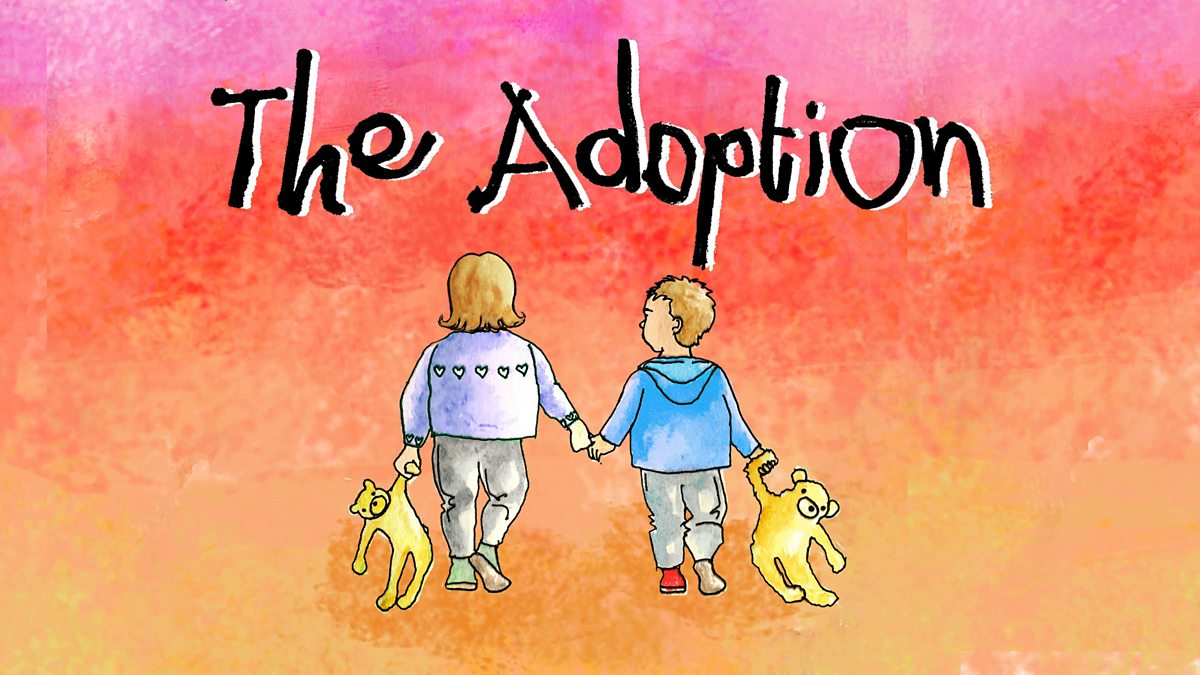
Thursday 12th July – a day listening to the BBC podcast – The Adoption ….
and knitting!
There was a follow up phone call to clarify a few points and then not too long after that we got the news that we had been deemed suitable to proceed to Stage 1 and were invited to get in touch after the summer holidays.
A note about Pre-Stage 1 Pre-Stage 1 is an initial stage without a set timescale. It is there to make sure that there is nothing obvious ruling you out from proceeding to the Assessment Stage. It looks to establish that you are of an appropriate age, that you can take at least a year off work to care for a child post adoption, and that you have spare room available for them. It involves some phone calls and at least one visit from a member of the Assessment Team to meet all the members of your household and to have a look at where you live.
YEAR 1
This gave us time over the summer to get started on some of the recommended reading, to do some more knitting and to chat things through with trusted family and friends..
Once back from holidays we got in touch to inquire about progressing to Stage 1.
At which point there was a bit of a hold up to get the timings right..
Eager as we were to officially get the ball rolling by sending in our forms to register our interest – we couldn’t receive the forms until the Council were ready to receive them back again!
This is because once those forms hit the ‘mat’ at their offices a clock starts ticking and they are on a deadline.
Stage 1 needs to be completed within 8 weeks/2 months of forms being received. Most of Stage 1 goes on behind the scenes – chasing up all that information you gave them in your forms – however it does includes a three day training course which you attend. Understandably these can’t be run continuously and so in order for the course to be attended within Stage 1 the forms can’t be received too many weeks before the next training course. Thankfully our initial social worker had given us some ideas of the information that would be required of us – all addresses since birth, employment and education history…. so we had most of the information gathered and once the long for forms arrived were ably to return them swiftly – and at last the clock was ticking!
The forms are sent – Monday 24th September
YEAR 1
Training Days 1, 2 and 3 – see comments on training page for a brief overview of what was covered.
On day 3 we happened to briefly meet our Assessing Social Worker and arranged to meet up with her soon.
YEAR 1
Adoption Medicals with our GP.
YEAR 1
Along with the Stage 1 forms to fill in and return we also received our Workbooks to complete over the course of Stage 1 ready to handover to our Assessing Social worker at the start of Stage 2.
Workbooks are extensive documents which you can also receive via email and then fill in electronically. Stage 1 forms give the technical information about your life which then enable the Council to do all the necessary background checks and to determine that you are who you say you are. Workbooks are a chance for you to comment and reflect on your life experiences so far, both in general and in relation to adoption. Relationships – both past and present are looked into in detail – including describing the support network that will be available to you through the process of adoption and beyond. Motivations to adopt and understanding of adoption is also a strong theme. There are some technical sections within this – notably finances – but largely it is less about facts and figures and more about who you are and what has influenced you; your identity and experiences.
Completing Stage 1 For us Stage 1 progressed on schedule, and was completed within the 8 weeks deadline – the only slight problem was our DBS checks taking a bit of time to come through. My husband and I each had a medical and attended the training course and everything else was chased up behind the scenes. We met with our Assessing Social Worker initially, but then – as with starting Stage 1 – there was a bit of a hold up before Stage 2 got properly underway. Again, once our forms (this time our official statement of desire to proceed to Stage 2 (a pause of up to 6 months is offered at this time) hit the ‘mat’ the Council would be up against another deadline.
For Stage 2 they have 16 weeks/4 months in which to:
Complete the assessment – the assessing social worker meeting up with us almost every week as a couple and as individuals over a period of a couple of months.
Write our Prospective Adopters Report (PAR)
Send it off to the Panel at least 10 days before Panel
Hold Panel – which will then send their recommendation to the Agency Decision Maker.
Give the ADM 10 days to review the case and make their final decision whether to approve you or not.
YEAR 1
STAGE 2 Our form expressing our wish to proceed to Stage 2 which was received on December 5th.
We had weekly meetings with our Assessing Social Worker starting on Dec 21st and then from Jan 10th through to March….These meetings followed a clear schedule and went through similar subjects to those covered in the Workbook. Our ASW didn’t really refer to the Workbooks – but rather worked through her list of things to cover in conversation with us – taking notes all the time. However, when it came to writing our PARs she was able to refer to them and cut and paste as was appropriate. Our ASW met our children once informally relatively early on in Stage 2 and then individually towards the end of our assessment. We were given our date for Panel quite early on in Stage 2 and I also attended a Foster to Adopt training day (my husband was unable to and is due to attend one soon).
YEAR 1
Meanwhile…. we proceeded to transform our spare room into a nursery/young child’s bedroom. We decided on a theme (not something we had done with our four previous babies!); and got a cot mobile while away on a family adventure at Christmas.
YEAR 1
In February the blackout blind went up and the spare bed was moved out. The old cot came out of the loft and was painted (again not something we had managed before despite it still bearing the teeth marks of its first occupant whose mother kindly passed it on to us!)
YEAR 1
In March out PAR was completed and signed by all concerned and sent off to the members of our Panel.
The blanket I was knitting was coming on, and cushions were added to nursery…
We attended the Day 4 training day on therapeutic parenting.
Shortly after our PAR was sent off we had our Support Network meeting. Ideally this would have happened before the PAR was sent off, but we were able to show a photo at our Panel. The meeting was a chance for our ASW to meet our support network informally over some lunch, but also to fill them a little on where we were in the process and how things would proceed from here. It was also a chance to give them some initial pointers in how best to look after us and offer support in the early days of a placement.
And then finally the date we had been counting down to arrived – Panel.
PANEL Ours was in the afternoon and it was hard to settle to things in the morning!
The good thing to remember about going to Panel is that it is designed NOT to be full of surprises – if things have been done properly there really shouldn’t be any dramatic plot twists at this stage. As you go through Stage 2 with your ASW they will be very clear with you about what they are thinking in terms of their recommendations, what they have reservations about, and as the process progresses if and how they have revised their opinions. Comparing it to a hand of cards – everything is out on the table. As the date for Panel approaches you read your PAR and have a chance to chat it through with your ASW so you know what the Panel are reading about you!
Having said all that you still don’t know what they will make of you, and the meeting itself is a little daunting if only because it is an unknown. Here are the reflections we jotted down straight after our Panel with a few added details for clarity. On arrival we were met by our ASW and taken into a room to wait with her.
Quite a wait. Knitted, chatted with ASW. All three a bit nervous – sort of jumpy – listening out / emotionally full / not very conversational! ASW reading through notes.
Waiting for about 45 mins. The Panel Chair and Advisor came in and introduced themselves and gave us our questions – all very friendly. They didn’t require a separate meeting with just our ASW so we prepped the questions together and then went in.
On entering the room for Panel we sat with our ASW on one side of a set of tables with the Panel sitting around the other side – it wasn’t a massive room and was quite full. Who was there:
The Panel introduced themselves – 1 x independent, 3 x staff including our first ever social worker and another familiar face from a training day. Also present was the Chair, the minute taker and the Advisor.
Initial Questions:
We were asked about our experience of the process, how we had found the training and to give feedback on our ASW. Our ASW also fed back on process from her point of view. We were also asked why we had chosen to go through the Council as opposed to another agency. It was made clear that they really did want our feedback here as they always want to be improving the service.
Questions specific to us (which we had been given in the waiting room earlier)
We had been given 4 questions – none of which came out of left field.
All in all it was a positive, affirming atmosphere.
We then left the room – just time for a loo trip before called back in. The Panel members went round table starting with Chair to each give their recommendation. We received a unanimous recommendation to be approved.
We had a brief, but happy chat with our ASW who told us she would be keeping us on for a while as a Support Worker had not yet been assigned to us and then we then headed off to a nearby cafe, to come back down to earth over a game of cards and a debrief chat. We let a few people know via texts, the children came in and we had a lovely family meal together to celebrate.
YEAR 1
April One week later we heard from our ASW that the Agency Decision Maker agreed with the Panel’s recommendation and that we were officially Approved Prospective Adopters.
We purchased a few items that we had chosen, but had been waiting until we got the go ahead to actually order – definitely a bit of nesting going on!
The blanket was completed (Wed 10th April) and the preparations continued as we waited for the call!
YEAR 2
I attended an excellent training day on Improving Sensory Processing in Traumatised Children. We met our Adoption Support Worker and I went along to my first Evening Support Group. Two close friends attended the Related By Adoption Training day.
YEAR 2
And so here we are! One year in to what I dearly hope will be our lifelong adoption journey.
You don’t go long in the world of adoption without learning the acronym PACE.
PACE is a helpful way to remember some of the concepts you need to keep to mind when parenting therapeutically – i.e. parenting children who have suffered trauma – as described by Dan Hughes.
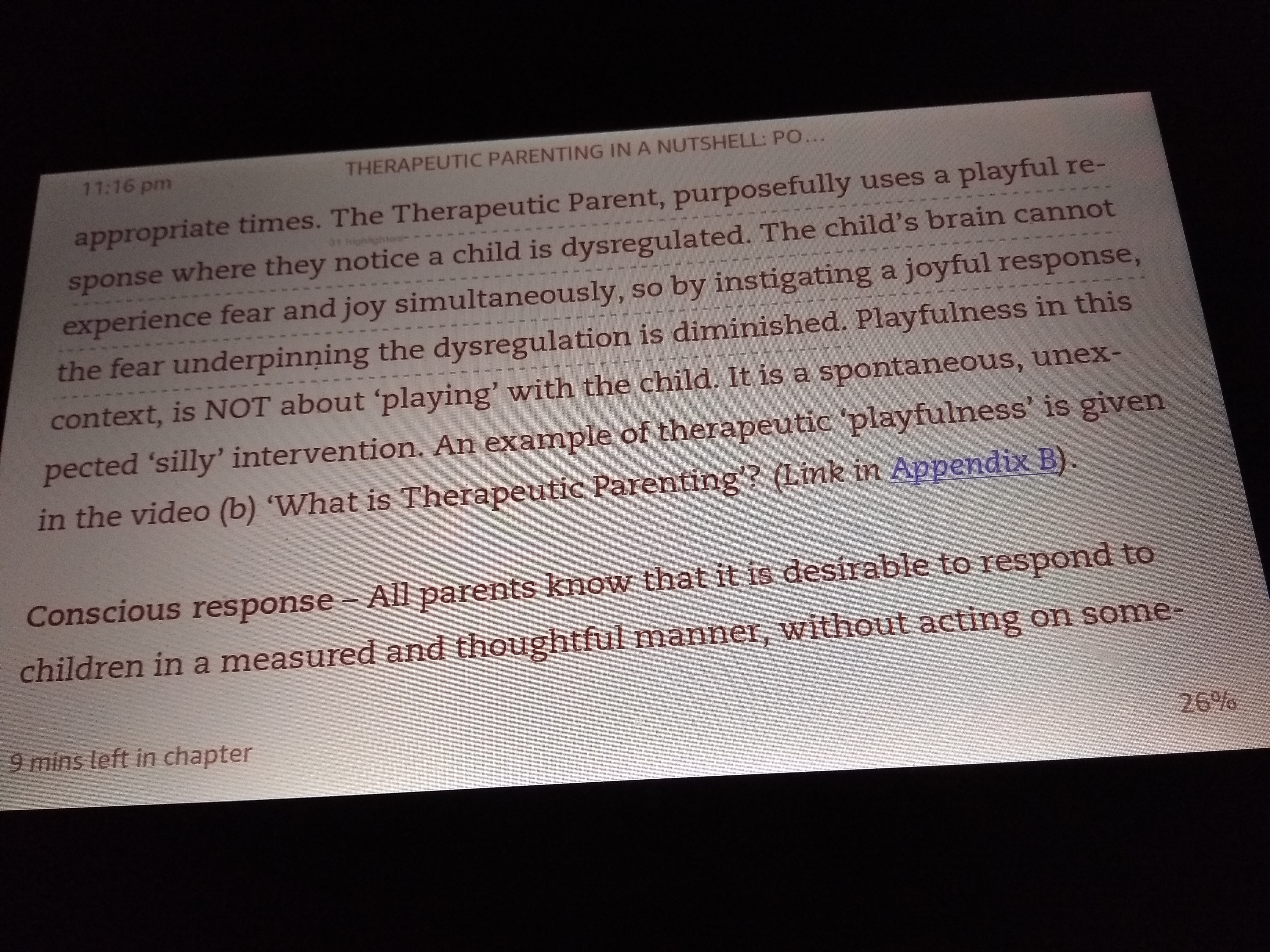
Playful: While we can’t be playful all the time – and at particular points of conflict, anxiety or panic it might not even be appropriate / helpful – we do need to incorporate lots of silliness and fun into our parenting. Therapeutic doesn’t equal serious, academic and dull!
From Therapeutic Parenting in a Nutshell – Sarah Naish
Accepting: A lot of the stress in dealing with an issue actually comes from our expectations and disappointments as parents. We expected a certain activity to be enjoyed; we always imagined being a sporty family; we just wanted a visit to Grandma’s that didn’t involve a meltdown; why can’t I sit for 5 minutes with a cup of tea while they play quietly – all my friends’ children seem to manage it – just 5 minutes is that too much to expect?
If we can accept our children as they are and not wish they were just a little more…. or a little less…. we will be more able to approach issues and conflicts with patience and possibly even a bit of a sense of humour.
Curious: The wonder of “I wonder if…” This is our chance as parents to play detective. Most behaviour doesn’t occur in isolation – but is the tip of the iceberg and a clue to what’s going on at a much deeper level. A tantrum after losing a game might not be a simple case of being a sore loser – it might be the final straw after a series of events in which our child has felt more and more out of control, or more and more inadequate and incapable. The parenting needed here then isn’t to ask them: “When will you learn to lose a game without throwing it across the room?” or “Why can’t you ever lose without having a tantrum?” but empathetic questions like: “I wonder if losing this game makes you feel like you aren’t good at doing things?” Obviously asking the right questions gets easier the more you know your child and the more you know about your child, but we can always have a go. Sometimes asking the wrong question actually gives them a chance to say “no” and prompts them to explain what is going on.
Why questions are really hard for children to answer even in the best of situations – let alone when their brain is stuck in the basic loop of fight, flight or freeze. When will you… ? why didn’t you…? How could you… ? are all the opposite of accepting and all put distance between us and our child. What we are aiming for is to accept where we are at that point with our child, that right now our child is not able to regulate themselves, but needs our help. Our compassion, not our challenge. Our task at this stage is not to show them that throwing the board across the room is unacceptable behaviour, but to work out what is going on, help them to understand it; and then together to return to a state of calm. This links in with another phrase I came across early on in my adoption journey – Connection BEFORE Correction. It is not that you are never going to correct their bad behaviour, but at that point it isn’t your first priority. If a child has never received encouragement or worse has been repeatedly told how useless they are then maybe what they need is some understanding and a cuddle.
Empathy – Empathy is sitting with someone where they are, not having to fix or minimise with comparative statements such as “at least you aren’t as bad off as…” but just crawling into their painful place and sitting alongside them there.
Until typing this up I hadn’t quite clicked before how interlinked and interdependent each part of PACE is. Acceptance is vital to curiosity, and empathy oozes out of acceptance and curiosity. It can be hard to be playful when so much is not as you want it to be, or when you just can’t understand what makes your playmate so difficult – but with empathy, acceptance and curiosity the playfulness can be protected and in turn bring warmth into the relationship which enhances the acceptance and the empathy.
A change of pace can take a while to settle into and life post approval has very much been a question of re-pacing myself. I had been warned of this, but I had also heard of the rare occasions where a match is virtually ready and waiting and it was a lot more fun preparing for that eventuality than the former.
During Stage 2 and the run up to Panel our adoption journey was quite equal to the task of keeping up with the the fast pace of work and family life. Weekly assessment meetings over a couple of months, followed by a lunch for our supporters to meet our AW; Day 4 Training and wanting to be as ‘new arrival ready’ as possible ensured that our ‘Adoption Busy’ matched our ‘Normal Life Busy’ stride for stride.
Post approval however, the former running partners need to be happy to fall out of stride with each other for a while.
Normal life races on in its usual hectic way rightly refusing to be put on hold. The year moves relentlessly on into territory that had held the potential to be shared with our new arrival, while the adoption jogs on slowly behind.
But this too is just a stage and a very important one at that. A vital leg of the race which is – like all parenting – a marathon and not a sprint. When our new arrival has been with us for 4, 10, 24…. years I am sure that I will look back on this season of waiting with great fondness – because it brought us our child. Would I trade them for another child just because they were ‘ready for collection’ a month or two earlier – not in a million years!
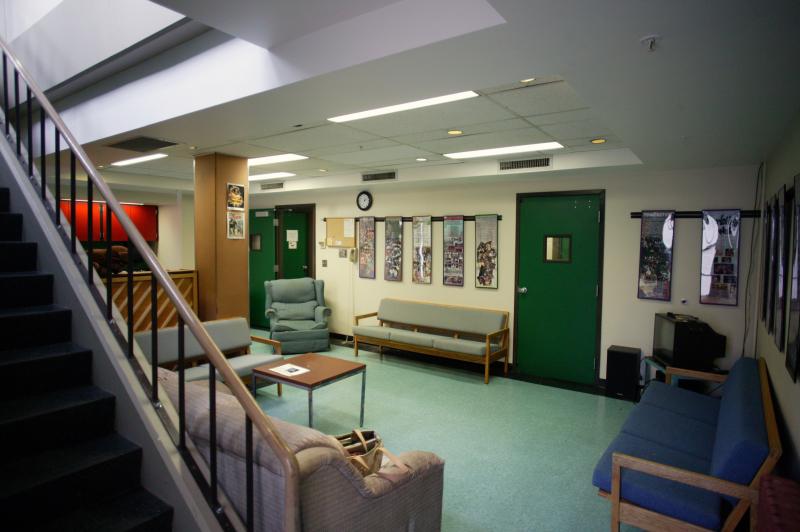
Life in the Green Room is an analogy carried through from my two previous posts comparing the adoption journey to a play and seeing this matching stage as a period of waiting back stage before being called back into the action in due course.
The good news is that we are by no means left completely uninformed or unlooked after as we wait back stage.
We have an Adoption Support Worker (ASW) who we have met once now – and who will come out and see us about once a month whatever the news (or lack thereof) to build relationship with us and reassure us that we haven’t been forgotten. In addition we are now within a network of events and groups designed to support us.
But it is still a waiting game. A ‘game’ that seems to vary from day to day and week to week in its level of difficulty – unless of course it is my competency at ‘playing’ it that is fluctuating!
Some days I find myself jumping whenever the phone goes: “might this be THE call that introduces us to our new child?” and other days I don’t.
Some days the fact that we are waiting pops into my mind 10 times a minute, on other days it is much less.
Some days the waiting seems to physically hurt, or at least physically sit with me in the pit of my stomach and other days it rests more gently in the edge of my consciousness.
But every day life goes on – not quite as usual as there are books to read, training notes to summarise / absorb, emails and invitations to training days and support groups to process and daydreams to be had – but pretty much in the same way as it always has done.
Emotionally it is comparable to a tide coming in and going out – with my impatience / anxiety being the waves reaching further and further up the beach.
At high tide the waiting seems to engulf me and leave little space for anything else and making it hard to imagine that such heightened expectation will ever subside.
Thankfully though it always does. Imperceptibly at first and without any obvious prompting the tide slowly goes out and there is space once again for pressing on with the here and now and preparing for the longed for, daunting, exciting unknown ahead.
Last week was definitely a high tide week for me, this week – well if not low tide it’s at least low-ER! And who knows what tomorrow will bring!


















 Adoption - Knitting Lives Together